

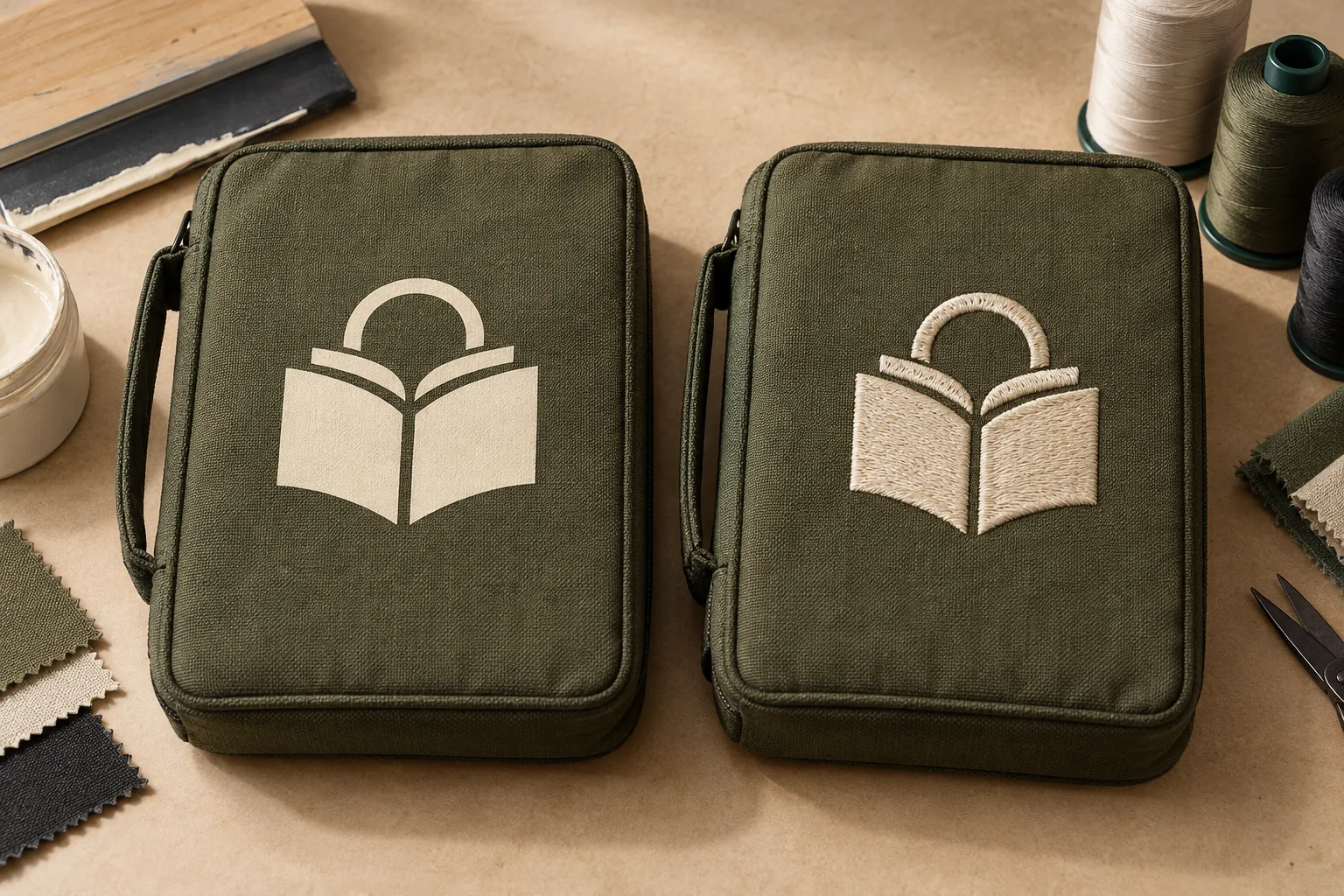
Quick answer: Screen printing is often a good starting point for a flat graphic on a suitable fabric panel. Embroidery creates a raised, stitched look for a smaller or simpler mark. Heat transfer can help reproduce artwork that needs more colors or fine detail. The best method depends on the actual fabric, artwork, placement and approved sample.
Choose the decoration method before approving a Bible cover pattern. A logo near a zipper, seam, pocket or heavily padded area may be harder to apply consistently. The method also changes how the fabric feels, so the artwork and construction need to be reviewed together.
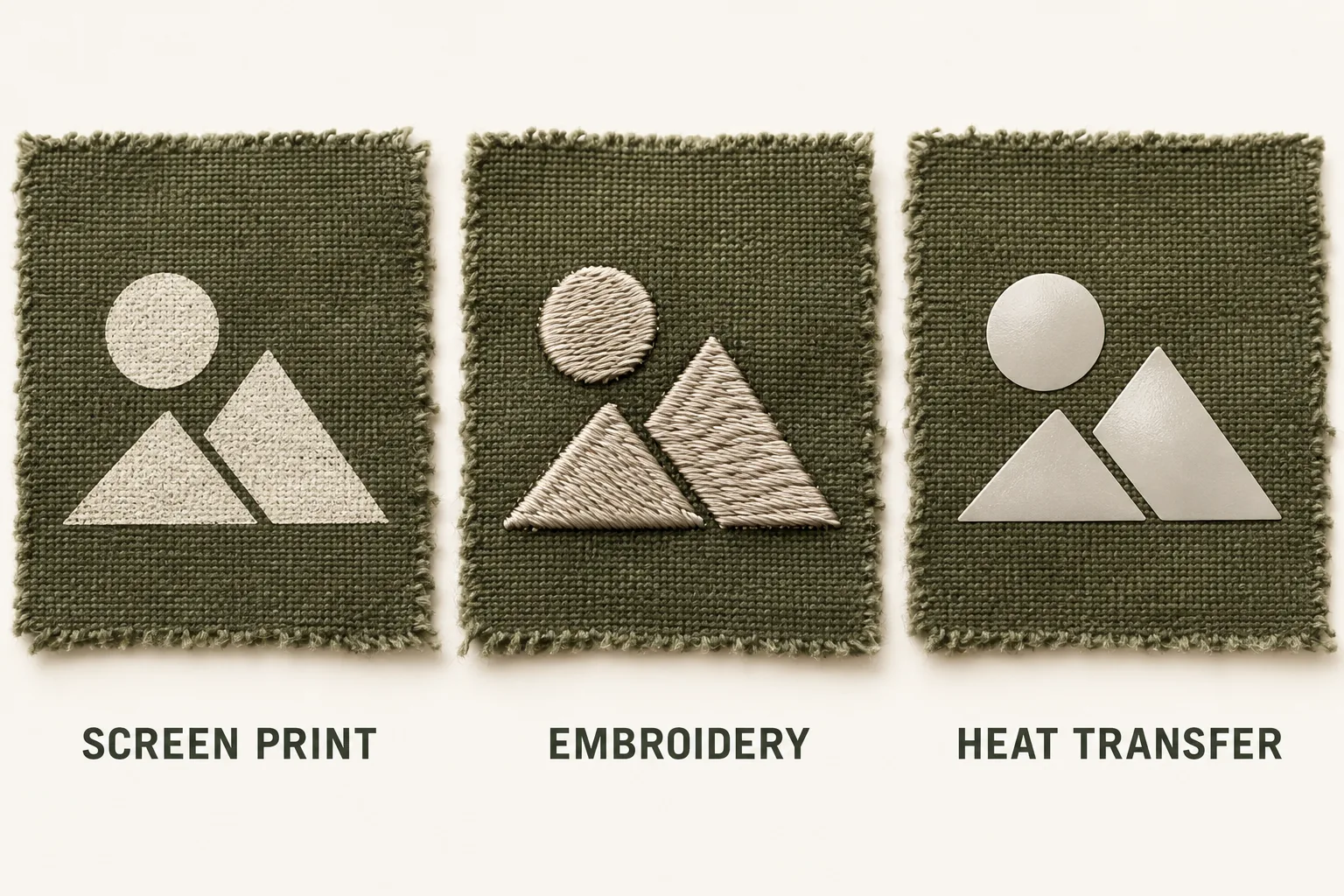
Screen printing: clean flat graphics
Screen printing transfers ink through a prepared screen. It works well for bold shapes, text and repeat artwork on appropriate flat fabric panels. Each color and placement can affect preparation and cost. Fine lines and small lettering should be checked on the chosen fabric, especially if its weave is coarse or textured.
For a canvas or polyester Bible organizer, print placement is usually easiest to judge on a flat panel before assembly. A print crossing a seam, zipper edge or pocket opening requires additional review. We recommend checking the real sample under normal light rather than relying only on a digital mockup.
Embroidery: texture and premium detail
Embroidery stitches the design into the fabric and produces a tactile, raised finish. It suits many small logos, names and simple emblems. Very tiny text, intricate gradients and large dense areas can be difficult to reproduce cleanly. Stitch count and density influence appearance, production time and cost.
Embroidery can pull or distort light or loosely woven fabric. The backing, panel stability and placement should be tested before bulk work. On quilted or padded Bible covers, check the effect on the surface and the reverse side of the panel.
When to consider heat transfer or a label
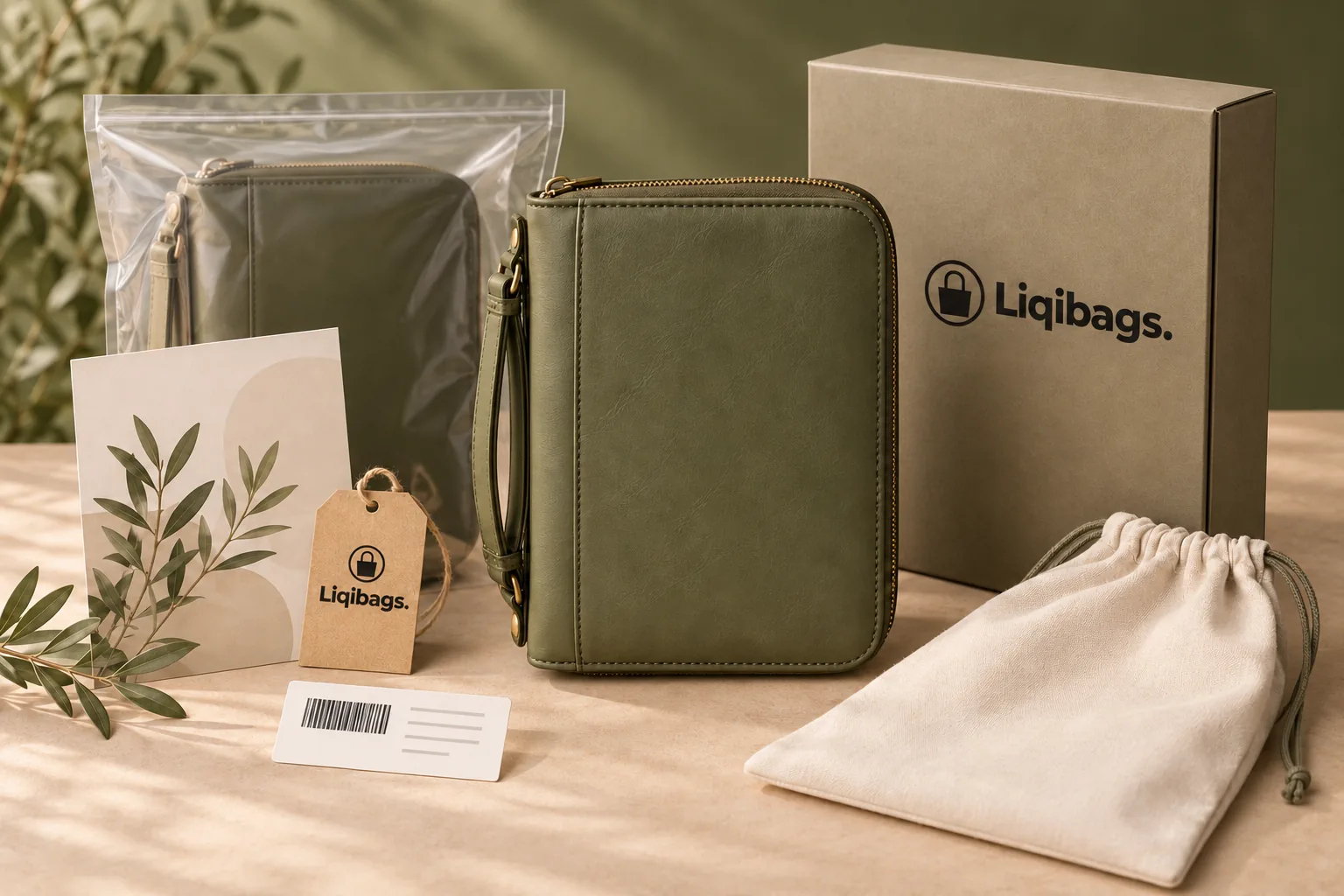
A heat-applied transfer can reproduce more complex colors or gradients on a compatible material. It still needs testing for edge quality, hand feel and durability. A woven label, patch or custom zipper pull may be a better solution when the artwork is too small for a clear print or embroidery. These methods may also be combined, such as a front embroidery mark with an interior brand label.
Compare by material and artwork
| Design question | Useful starting point |
|---|---|
| Large flat one-color graphic on suitable canvas | Review screen printing |
| Small bold premium mark on a stable panel | Review embroidery |
| Multi-color artwork or gradients | Review a compatible transfer |
| Branding near a seam or very small detail | Review a label, patch or alternate placement |
This table is a design starting point, not a material guarantee. Oxford fabric, polyester, canvas, corduroy, quilted fabric and synthetic leather each behave differently. Some methods may be unsuitable for a particular coating or construction. A physical sample provides the final answer.
What to send for an accurate logo sample
- Your artwork in a clear vector file when available, plus any brand color references.
- Target logo width and placement on the finished Bible cover.
- The chosen fabric and color, or a request for suitable alternatives.
- Expected quantity, packaging requirements and any durability concerns.
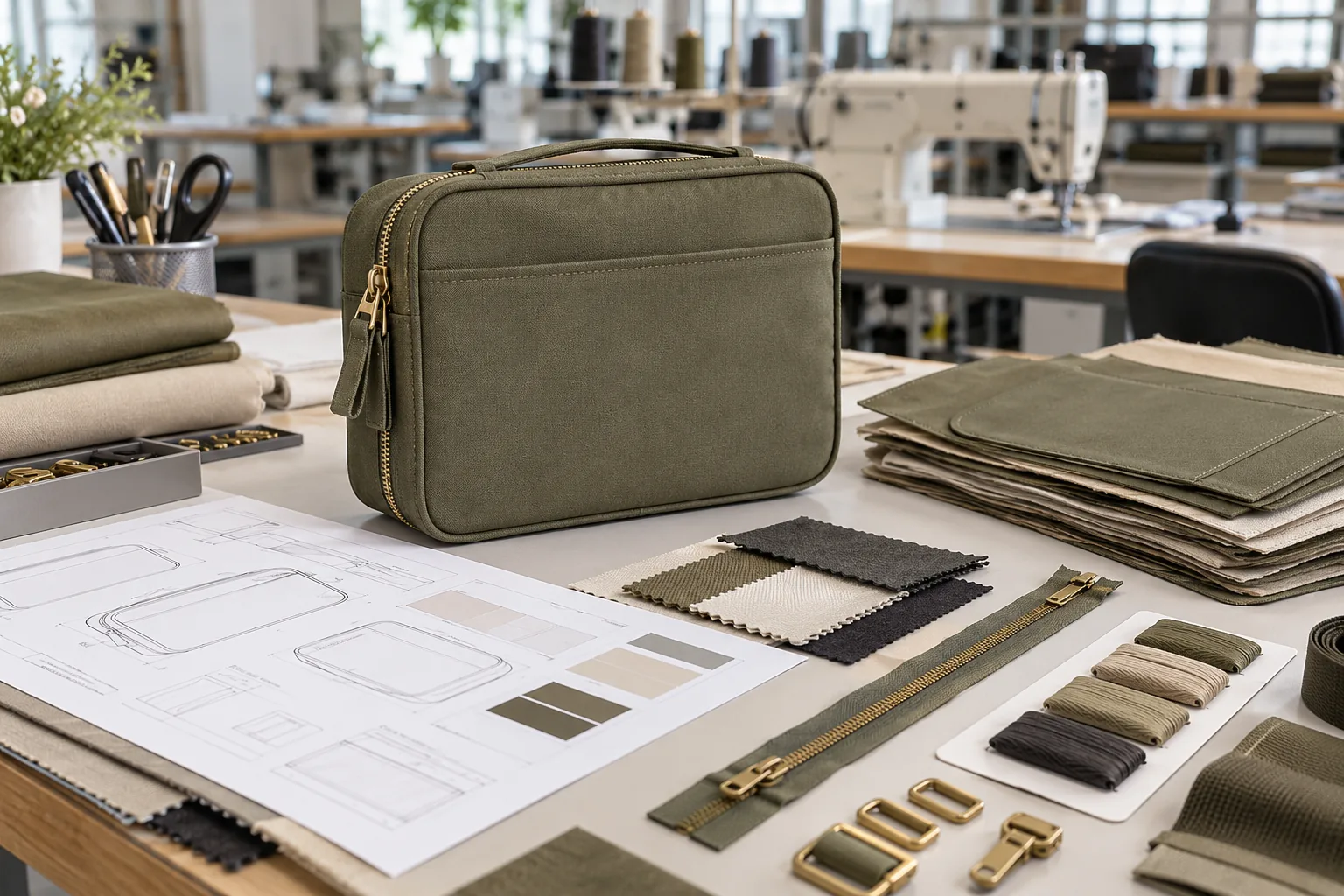
See our Bible cover materials guide before choosing a decoration method. Read the custom Bible cover manufacturing process to understand sample approval. Explore custom Bible covers and organizer cases, then send your artwork and project brief. Our made-to-order MOQ is 500 pieces; we confirm the logo process and sample requirements for each design.
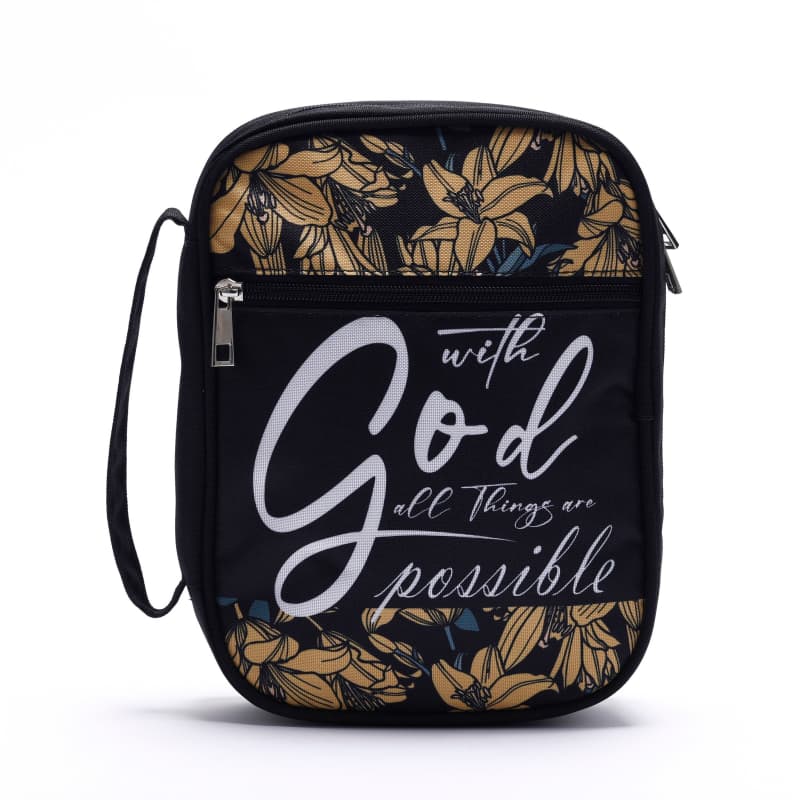 Custom Bible Bag Organizers & Bible Covers
 Backpacks & Drawstring Bags
 Cooler & Thermal Bags
 Cosmetic & Toiletry Bags
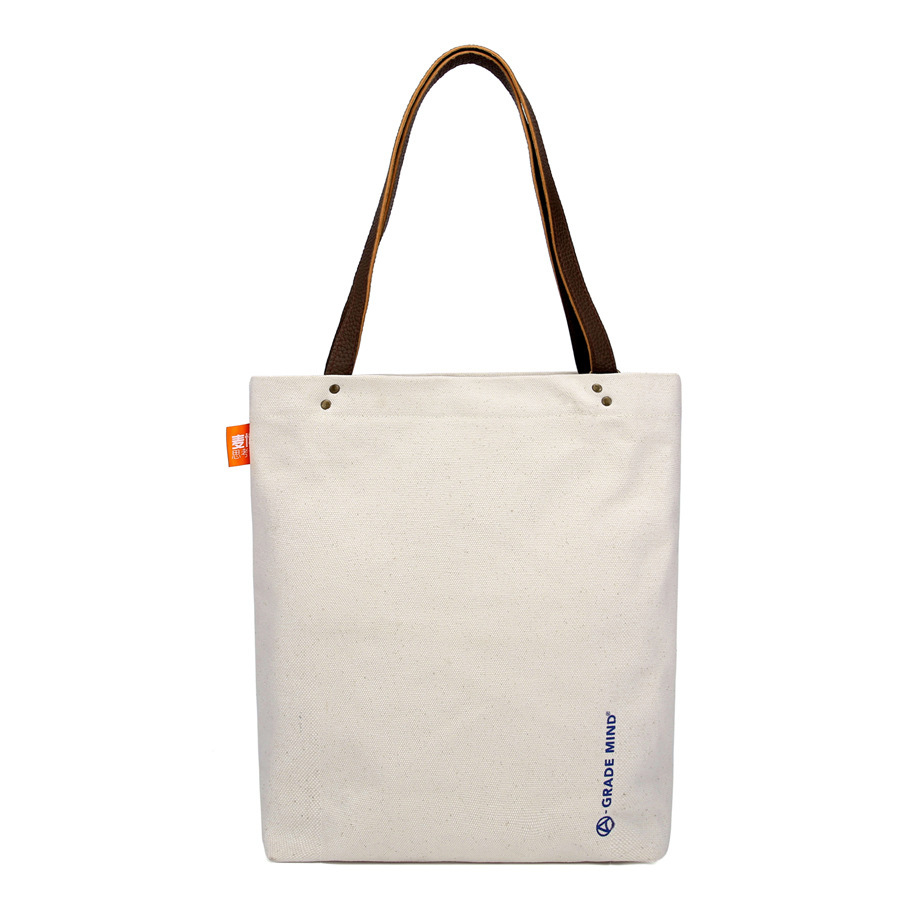 Tote & Shopping Bags
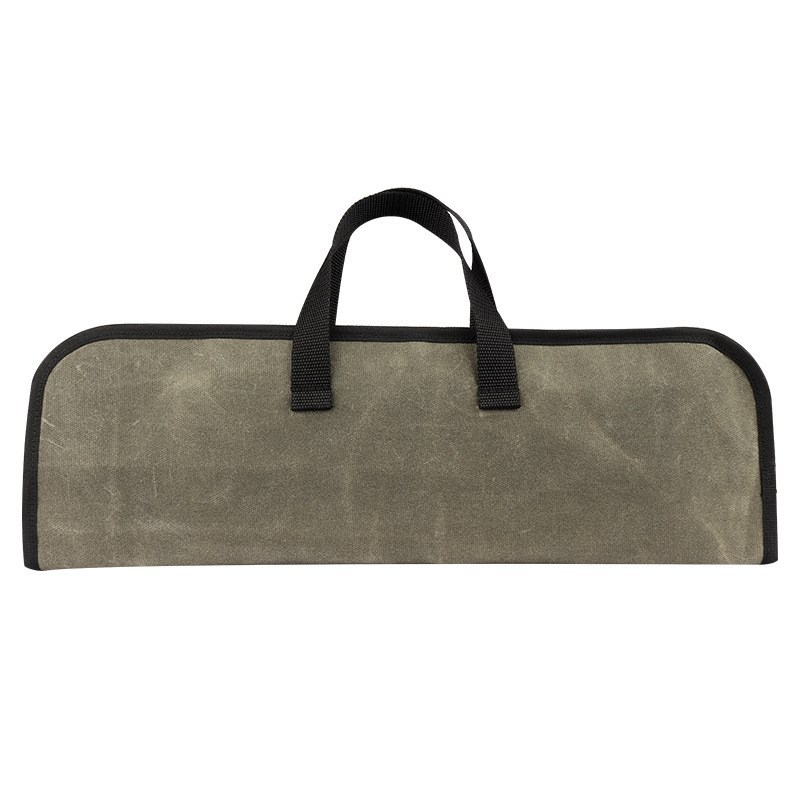 Tool, Medical & Equipment Bags
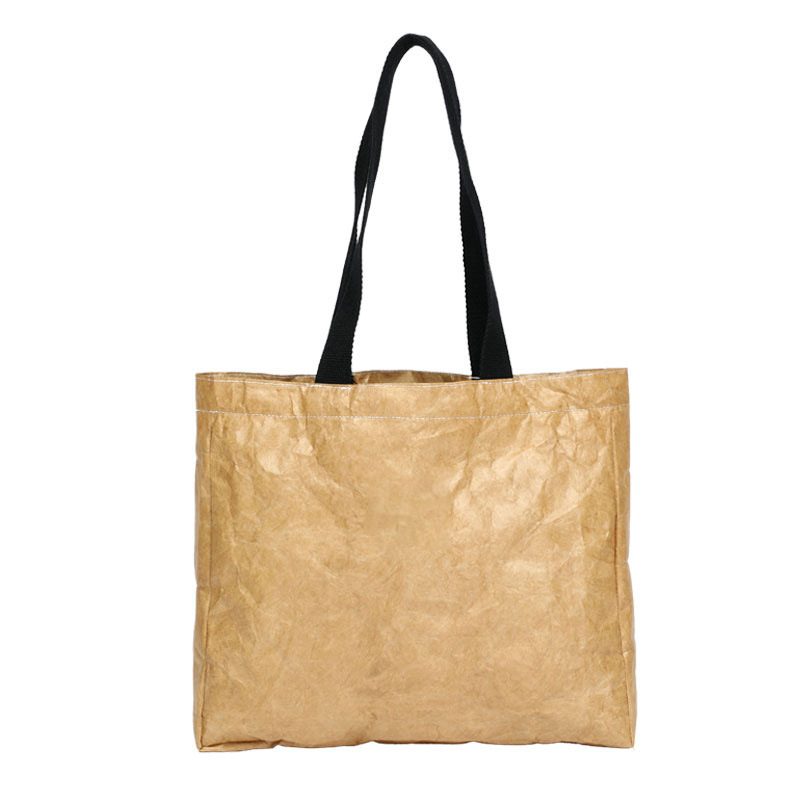 Washable Kraft & Tyvek Bags
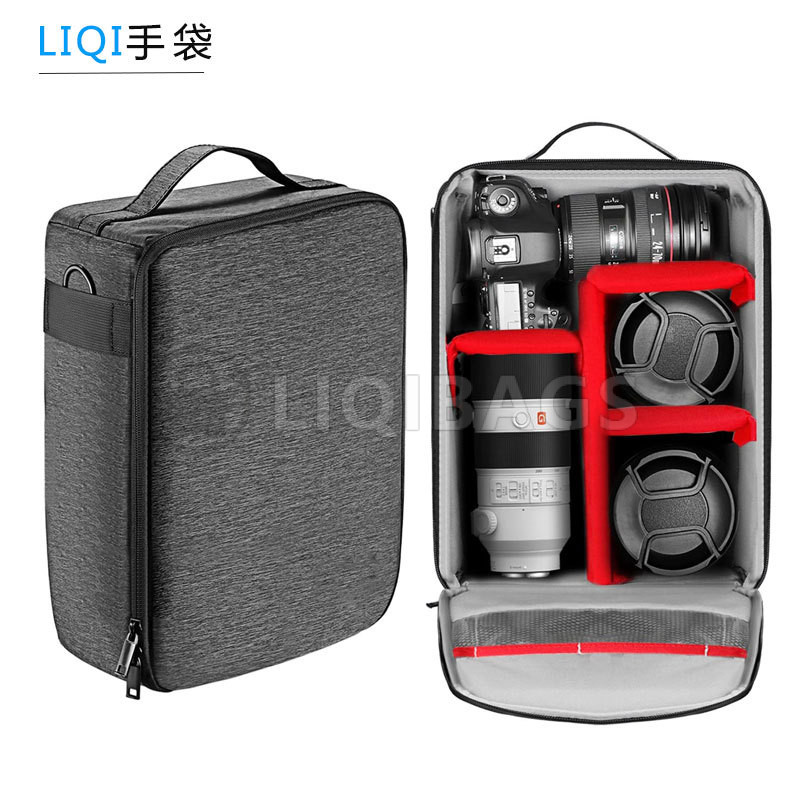 Camera Bags & Photography Cases
 Crossbody & Shoulder Bags
 Pet Bags & Accessories
 Storage & Organizer Bags
 Travel & Duffel Bags