

Fluffy bags, also called cloud bags or puffy quilted bags, have become popular for their soft shape, dimensional surface, and comfortable feel. Although the finished product may look simple, producing a consistent custom fluffy bag requires far more than adding padding to an ordinary bag. The three-dimensional texture must be engineered through material selection, quilting, shrinkage control, accurate cutting, shape stabilization, and careful sewing.
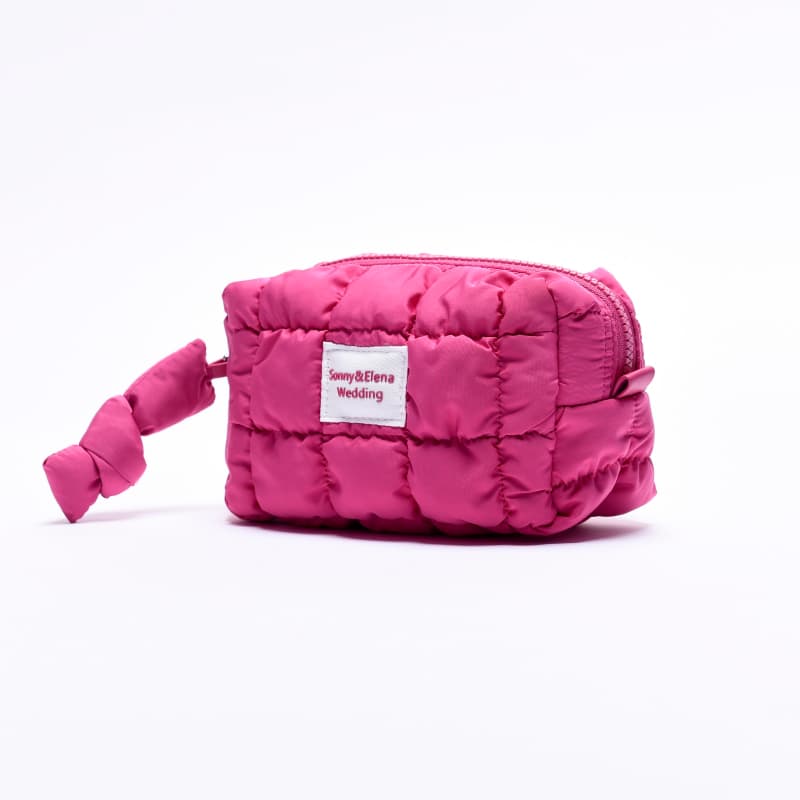
For brands developing a custom fluffy bag collection, understanding the production process makes it easier to select materials, approve samples, control quality, and build a realistic project plan. This guide explains how a professional bag manufacturer turns an initial design into a finished fluffy bag ready for retail, promotion, or private-label distribution.
What Is a Fluffy Bag?
A fluffy bag is a soft bag with a raised, cushioned surface. Its cloud-like appearance is normally created by quilting multiple material layers together in a controlled pattern. Square grids are common, but diamonds, channels, waves, and custom geometric patterns can also be developed.
The structure typically combines:
- An outer fabric that defines the color, hand feel, and visual style
- A batting or padding layer that creates volume
- A backing layer, often with controlled stretch, that helps form the raised quilted cells
- A lining that protects the interior and supports pockets or compartments
- Reinforcement materials in areas such as handles, straps, zipper openings, and the bag base
The final softness depends on the interaction between these layers. Fabric weight, padding thickness, elasticity, stitch density, and quilt-cell dimensions all influence how full or structured the bag appears.
Step 1: Design Review and Product Specification
Every custom fluffy bag project should begin with a clear specification. A reference photo can communicate the general style, but it is not enough for reliable manufacturing. The factory needs dimensions, construction details, material preferences, logo requirements, hardware colors, lining details, and expected usage.
Important design decisions include:
- Bag type, such as a tote, shoulder bag, crossbody bag, cosmetic bag, backpack, or pouch
- Finished dimensions and intended capacity
- Quilt pattern and individual cell size
- Softness and thickness of the padded surface
- Handle or strap construction
- Zipper, snap, drawstring, or magnetic closure
- Interior pockets and organization
- Logo position and branding method
- Packaging requirements
At this stage, the manufacturer also reviews whether the desired surface pattern can be aligned across the front, back, gusset, and pocket panels. Precise pattern alignment creates a premium appearance, but it also affects material usage and cutting efficiency.
Step 2: Material Selection

The outer material determines much of the finished bag’s character. Polyester and nylon are practical choices for lightweight, durable designs. Soft woven fabrics can create a casual lifestyle appearance, while PU materials can provide a more structured fashion look. The appropriate choice depends on the target market, price level, intended use, and required performance.
The padding layer must provide enough loft without becoming excessively heavy. If the padding is too thin, the quilted cells may look flat. If it is too thick, seams can become bulky and difficult to control. The backing layer must also be compatible with the quilting process because its elasticity influences how the material contracts and forms the raised surface.
Before bulk production, the factory should test the complete material combination rather than evaluating each fabric separately. Two materials that look suitable on their own may react differently after quilting, heating, cutting, or sewing.
Step 3: Quilting Test and Shrinkage Evaluation
Quilting is the defining stage of the fluffy bag manufacturing process. The outer fabric, padding, and backing layer are combined and stitched together according to the selected pattern. As the layers are quilted, the material contracts and the spaces between stitch lines rise to form soft, three-dimensional cells.
This contraction means that the amount of quilted material available after processing is smaller than the original unquilted material. The exact shrinkage can vary with:
- Outer fabric construction
- Backing elasticity
- Padding thickness
- Quilt-cell size
- Stitch density
- Machine tension
- Material batch
A responsible manufacturer conducts a quilting test before calculating the final cutting plan. The test helps determine the actual shrinkage ratio, finished thickness, cell appearance, and dimensional stability. Material should also be allowed to rest after quilting so that temporary tension can relax before cutting.
Skipping this test can cause panels to finish too small, quilt cells to look inconsistent, or different production batches to have noticeably different dimensions.
Step 4: Multi-Layer Quilting and Three-Dimensional Shaping
After the test is approved, the production materials are layered and quilted in larger sheets. Computer-controlled quilting or embroidery equipment follows the programmed grid or pattern. Consistent tension is essential because uneven feeding can produce distorted cells, wrinkles, or variations in loft.
The goal is not simply to stitch straight lines. The quilting process must create a balanced surface in which the raised areas have a consistent height and the lines remain visually aligned. Operators monitor stitch quality, thread tension, missing stitches, puckering, and material movement throughout production.
For a custom cloud bag with a distinctive pattern, the quilting program may need to be adjusted several times during sampling. Changing the grid size by even a small amount can noticeably alter the appearance and softness of the finished bag.
Step 5: Material Conditioning and Panel Layout
Freshly quilted material may retain tension and continue to change slightly after leaving the machine. Allowing it to rest before cutting improves dimensional stability. The factory can then measure the actual usable width and length and prepare the cutting layout.
Layout planning is more demanding than it is for flat fabric. If the design requires quilt cells to appear in the same position on every bag, the cutting patterns must be placed according to the quilt grid rather than solely according to the most material-efficient arrangement.
This process is known as pattern matching or position matching. It improves visual consistency, especially around center lines, pockets, zippers, and panel seams. However, it can also increase offcuts because every pattern piece must begin at a controlled point within the quilt design.
Step 6: Precision Laser Cutting
Quilted fluffy material is raised, flexible, and less stable than conventional flat fabric. Traditional die cutting may compress the surface or allow the material to shift, which can affect panel dimensions and quilt alignment. For this reason, laser cutting is often selected for greater precision.
During laser cutting, the material is positioned carefully and each panel is cut according to the approved digital pattern. The operator must consider the thickness of the quilted sheet, the cutting path, edge condition, and pattern alignment. Small notches or positioning marks may be added to guide later assembly.
Laser cutting is especially useful for development orders, complex shapes, and designs requiring accurate quilt placement. The cutting method should always be tested on the selected material because different textiles respond differently to heat.
Step 7: Edge Stabilization and Shape-Setting Stitching
After cutting, a padded panel may have irregular edges or a tendency to rebound. The layers can also separate near the cut line if they are handled repeatedly. A shape-setting stitch is therefore added around selected panels before final assembly.
This operation stabilizes the panel dimensions, holds the material layers together, and makes subsequent sewing easier. It is an additional step compared with producing a basic flat-fabric bag, but it helps maintain clean edges and consistent shapes.
Careful operators avoid flattening the raised quilted cells while sewing. Pressure, feed speed, needle selection, and seam allowance must be controlled so that the panel remains soft and dimensional.
Step 8: Logo and Branding Application
Logo customization should be planned early because the best branding method depends on the material and quilted surface. A logo that works well on flat canvas may not produce the same result on thick, uneven padding.
Common options include:
- Embroidery for a premium textile appearance
- Woven or printed labels for flexible branding
- Rubber, silicone, or PU patches for a dimensional logo
- Metal logo plates for fashion-oriented designs
- Screen printing or heat transfer on a suitable flat panel or label area
If the logo must be applied directly to the outer fabric, it may need to be completed before quilting. Alternatively, the design can include a dedicated flat patch or label position so the branding remains clear and readable.
Step 9: Bag Assembly and Sewing
Once the panels are stabilized and branded, the main bag assembly begins. The process may include preparing the lining, installing pockets, attaching zippers, joining the outer panels, adding gussets, inserting handles or straps, and closing the lining.
Fluffy material requires more handling control than ordinary flat fabric. Thick seam intersections must be managed carefully, particularly around corners, zipper ends, strap anchors, and top openings. Reinforcement can be added internally where the bag needs to carry weight, while the visible exterior should retain its soft appearance.
The sewing sequence is important. A well-planned process prevents unnecessary compression of the padding and helps the quilt pattern remain aligned across adjoining panels.
Step 10: Finishing, Quality Control, and Packing
Every finished custom fluffy bag should be inspected before packing. Quality control focuses on both function and appearance.
Key inspection points include:
- Finished dimensions and bag symmetry
- Consistent quilt-cell size and loft
- Quilt alignment between matching panels
- Stitch tension, skipped stitches, and loose threads
- Clean zipper operation and secure hardware
- Handle and strap attachment strength
- Correct logo position, color, and orientation
- Interior cleanliness and pocket construction
- Surface marks, stains, burns, or excessive flattening
After inspection, the bag is shaped and prepared for packaging. Packaging should protect the fluffy surface from long-term compression. Depending on shipping requirements, tissue, inserts, or an appropriate carton arrangement may be used to help the product recover its intended shape after transportation.
What Affects the Cost of a Custom Fluffy Bag?
The price of a fluffy bag is influenced by more than its external size. Important cost factors include:
- Outer fabric, lining, padding, and backing specifications
- Shrinkage during quilting and the resulting material consumption
- Quilt pattern complexity and cell size
- Pattern-matching requirements
- Laser cutting time
- Shape-setting and stabilization operations
- Number of pockets, zippers, straps, and hardware components
- Logo application method
- Order quantity and packaging
Compared with a simple unquilted bag, a custom puffy bag usually requires more processing stages and tighter control. Accurate quotations should therefore be based on an approved sample, tested material usage, and confirmed construction rather than appearance alone.
Custom Options for Fluffy Bag Projects
A professional OEM fluffy bag manufacturer can adapt the same quilted concept to different markets and product categories. Typical customization options include:
- Tote bags, shoulder bags, crossbody bags, backpacks, cosmetic bags, and travel pouches
- Polyester, nylon, woven fabrics, and selected PU materials
- Lightweight or high-loft padding
- Square, diamond, channel, wave, or custom quilt patterns
- Custom colors and color combinations
- Adjustable straps, padded handles, and detachable shoulder straps
- Custom lining, pockets, key hooks, and organization features
- Embroidery, patches, labels, metal logos, screen printing, and heat transfer
- Retail packaging and private-label presentation
The most successful development process balances visual softness with practical requirements such as capacity, weight, durability, and production consistency.
Why Sampling Is Essential
Sampling is particularly important for fluffy bags because the final result depends on how several materials behave together. A digital drawing cannot fully predict the finished loft, shrinkage, hand feel, or quilt alignment.
During sampling, the manufacturer can evaluate:
- Whether the selected materials create the expected volume
- Whether the quilt-cell size suits the bag dimensions
- Whether the panel patterns remain aligned after cutting and sewing
- Whether the logo is clear on the padded surface
- Whether seams, zippers, and straps are easy to operate
- Whether the finished bag meets the intended cost and quality level
Brands should approve the complete physical sample and confirmed specification before bulk production. If materials are changed after approval, a new test may be required because even similar-looking fabrics can shrink or sew differently.
Frequently Asked Questions About Custom Fluffy Bags
What materials are used to make a fluffy bag?
A typical fluffy bag combines an outer fabric, a padding or batting layer, a compatible backing layer, and an interior lining. Reinforcement materials may also be added around straps, closures, and the base. The exact combination depends on the required softness, appearance, durability, and target price.
Can the quilt pattern and cell size be customized?
Yes. Square, diamond, channel, wave, and custom geometric patterns can be developed. Cell size affects both appearance and softness, so it should be confirmed through a physical quilting sample.
Why is laser cutting used for quilted fluffy material?
After quilting, the material becomes three-dimensional and less stable than flat fabric. Laser cutting can provide more accurate panel shapes and better pattern positioning than conventional die cutting for many fluffy bag designs.
Can a custom logo be added to a fluffy bag?
Yes. Depending on the material and logo design, options may include embroidery, woven labels, printed labels, rubber or PU patches, metal plates, screen printing, and heat transfer. A flat logo area can be designed when direct application to the quilted surface is unsuitable.
Why can a fluffy bag cost more than a basic fabric bag?
The process includes additional operations such as multi-layer quilting, shrinkage testing, pattern alignment, precision cutting, shape-setting stitching, and careful padded-panel assembly. Material consumption can also increase when strict quilt alignment is required.
Can fluffy bags be produced in different styles?
Yes. The construction can be adapted for totes, shoulder bags, crossbody bags, backpacks, cosmetic bags, pouches, and other custom formats. Dimensions, colors, lining, straps, compartments, closures, and packaging can all be developed for the project.
Develop Your Custom Fluffy Bag with Liqi Bag
Producing a high-quality fluffy bag requires careful coordination between design, material testing, quilting, cutting, sewing, and quality control. The key is to understand how the layered material changes during production and to build those changes into the pattern and manufacturing plan.
Liqi Bag supports OEM and ODM custom fluffy bag projects for brands, retailers, promotional programs, and private-label collections. We can assist with material selection, quilt-pattern development, sampling, logo application, functional construction, bulk production, quality inspection, and packaging.
Send us your reference image, dimensions, preferred material, target quantity, logo artwork, and required features. Our team will review the design and help you develop a custom fluffy bag that combines a soft cloud-like appearance with practical construction and consistent production quality.
 Bible Case & Bible Covers
 Backpacks & Drawstring Bags
 Cooler & Thermal Bags
 Cosmetic & Toiletry Bags
 Tote & Shopping Bags
 Tool, Medical & Equipment Bags
 Washable Kraft & Tyvek Bags
 Camera Bags & Photography Cases
 Pet Bags & Accessories
 Storage & Organizer Bags
 Travel & Duffel Bags